Imagine waking up to a horizon of glassy towers and open desert, then stepping outside to mountain air that feels a few degrees cooler. That is the promise of building on a custom lot in Ascaya. If you are considering a homesite here, you face exciting choices and technical decisions that will shape your view, budget, and timeline. In this guide, you will learn how lots are positioned, what truly drives value, how to verify view corridors, and which due diligence steps protect you before you commit. Let’s dive in.
Why Ascaya stands out
Ascaya sits high on the McCullough Range above Henderson, planned as a low-density enclave of 313 custom homesites. Terraced pads, sculpted roads, and rockery walls were designed to frame Strip, canyon, and open-space views, as detailed in the developer brochure. The setting preserves adjacency to protected public lands while creating a quiet, elevated feel. You are buying both a site and a lifestyle.
Lifestyle is anchored by a substantial amenity program. The community’s approximately 23,000-square-foot clubhouse includes pools, tennis and pickleball, fitness, and family spaces that become a natural extension of home. Explore the full scope of the clubhouse and amenities to understand how they complement your build.
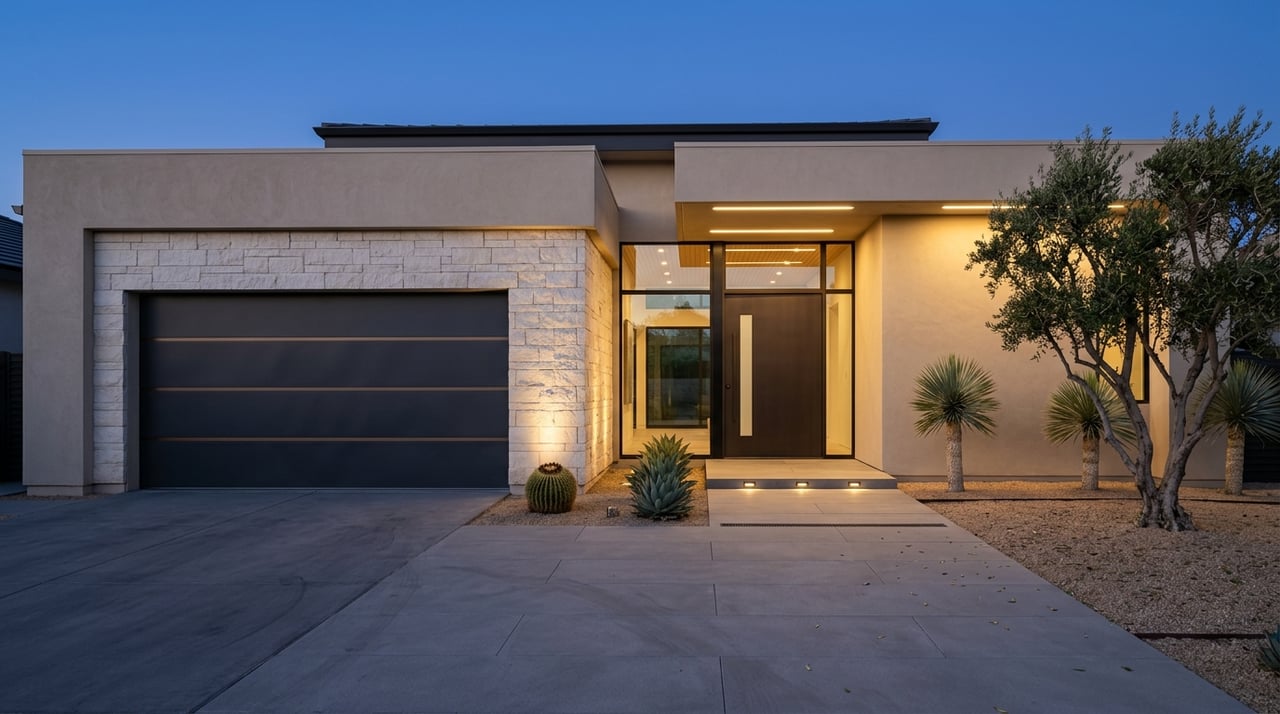
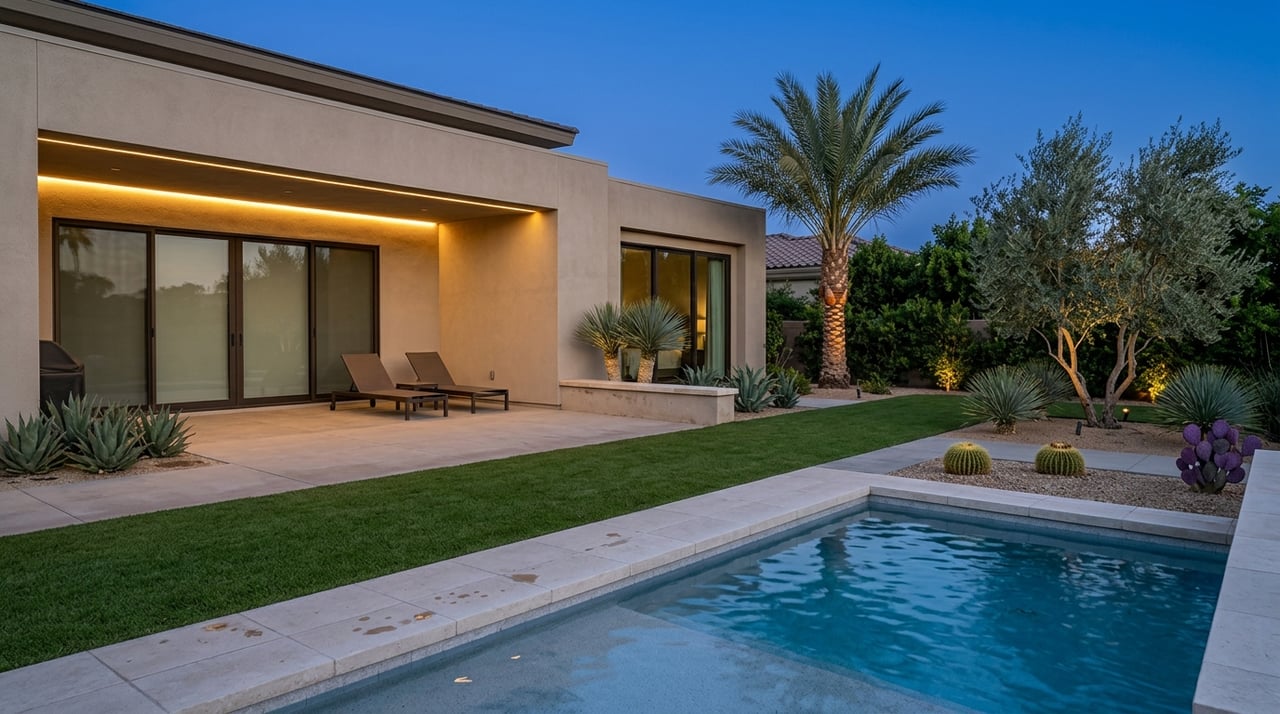
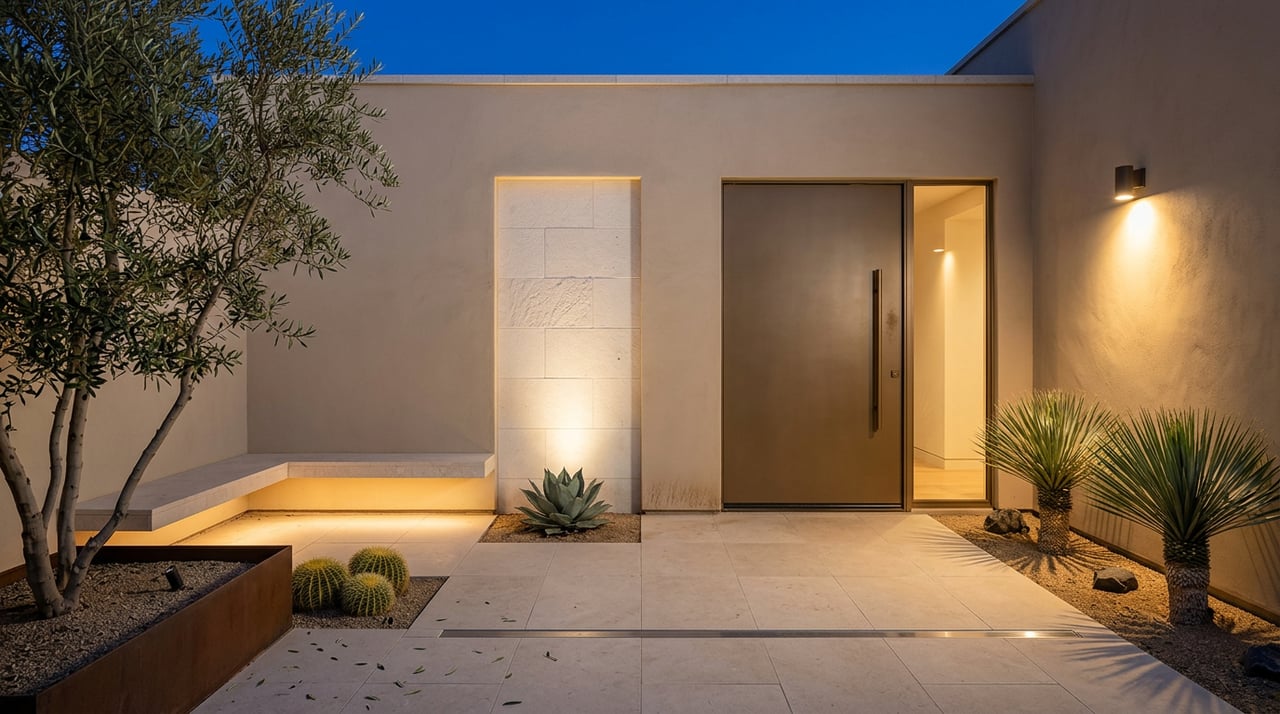
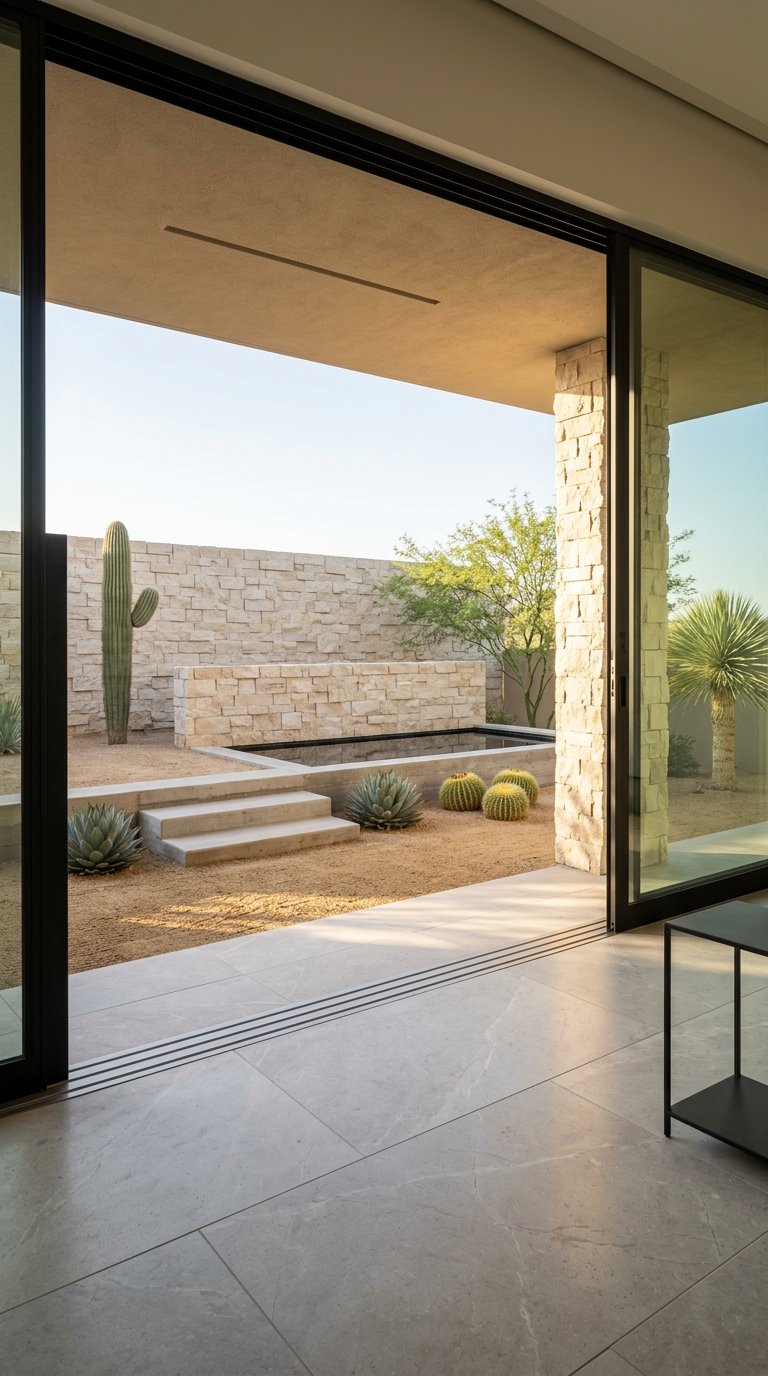
Ascaya also curates an architectural identity. The developer emphasizes a modern desert-contemporary language and highlights architects with built or showcased work in the community. Review the community’s curated desert-contemporary architecture to see design expectations and inspiration homes.
Lot types and orientations
Every lot in Ascaya is different, and that is part of the appeal. Terraced engineering creates several common site types that shape design, privacy, and cost. Below are the lot styles you will encounter and the practical implications for each.
Ridge and ridgeline lots
Ridge sites often command panoramic sightlines and strong breezes. Expect long exposures to sky and valley, which many buyers love for sunrise and nighttime Strip views. Design typically considers wind management, outdoor room placement, and glazing strategy to control comfort.
Promontory and forefront lots
Promontory pads sit at points or edges, creating dramatic long views. These homes often leverage negative-edge pools and stacked outdoor living to float above the valley. Structural solutions can be more complex, so early engineering input matters.
Canyon and terrace lots
Terrace lots tuck into folds of the hillside. You gain privacy and opportunities for multi-level designs that step with the terrain. Expect careful planning of retaining, daylight, and interior circulation to keep spaces connected and bright.
Bench and level lots
Bench pads are closer to level, which can simplify single-level living and reduce earthwork. These sites can still capture strong views depending on orientation. They are often attractive for buyers who prefer more straightforward construction.
Pricing and acreage vary widely by exposure, orientation, and complexity. The developer’s current homesites page often shows examples ranging from mid-six-figure lots to multi-million-dollar promontories. Always verify live availability and details with the sales office.
Views: value and verification
Strip and broad-valley views drive a substantial part of lot value in Ascaya. Mountain and canyon exposures, as well as sunrise and sunset orientation, also influence pricing and design choices. Importantly, the developer notes that views are not guaranteed, which means you should verify any expected sightline before you buy.
How to verify a view
- Ask the seller or developer for a recent drone photo or a photo-simulation from the planned building envelope.
- Obtain an ALTA/NSPS land-title survey that shows building envelopes and recorded easements.
- Request the HOA’s view policy or any Architectural Review Committee (ARC) precedent that speaks to typical height controls.
- Confirm the developer’s statement that views are not guaranteed, then test sightlines at different times of day to gauge light, glare, and privacy.
Legal protection realities
Legal “view easements” exist, but they are not common and usually require a recorded, express grant. Do not assume a view is protected without a recorded easement, deed restriction, or explicit HOA rule that preserves it. A title review supported by survey, plus a clear understanding of ARC height controls, is essential. For background, consult a practical guide to real estate easements.
Design controls and the ARC
Ascaya’s design ethos is cohesive by intent. Expect ARC review focused on materials and color palettes, roof forms and heights, visible mechanical limits, driveway and entry treatments, landscaping in a native desert palette, and exterior lighting that protects the night sky. These standards help preserve views and neighborhood quality, and they add steps to approvals.
The community showcases work by high-profile architects and has invested in inspiration homes to illustrate expectations. This is helpful when aligning your program and budget early. Historically, local reporting noted a minimum footprint during early sales, so confirm current requirements with the latest CC&Rs and Design Guidelines before you finalize a concept.
Due diligence roadmap
Building well on a hillside lot starts before design. Use this step-by-step plan to protect your investment and avoid surprises.
Walk and study the site. Visit at different times to test light, wind, privacy, and traffic flow. Ask the sales team for drone imagery and note distance to the clubhouse.
Gather recorded documents. Request the deed, any recorded easements, and the CC&Rs, bylaws, Design Guidelines, and ARC submission checklist. If something is not public, ask for it in writing during pre-contract or escrow.
Order an ALTA/NSPS survey. A modern ALTA survey maps boundaries, recorded easements, encroachments, and improvements to support title underwriting and siting. Specify any Table A items you need, such as topography or utility locations.
Commission a geotechnical study. For hillside pads and engineered rockery, a soils report is a must. The International Building Code guidance on geotechnical investigations explains why local reviewers expect this for steep or complex sites.
Run a preliminary civil and structural review. A civil engineer can sketch a conceptual grading and drainage plan, highlight retaining-wall needs, and map utility tie-ins. This sets realistic parameters for the architect and builder.
Confirm permitting and environmental items. Coordinate early with the City of Henderson on grading and building permits. If your project disturbs enough soil during construction, review Construction General Permit resources to understand potential stormwater requirements.
Schedule an ARC pre-submittal. Clarify timelines, fees, and typical review cycles. Ask whether any phases carry unique controls or pre-approved elements.
Build a site-specific budget. Hillside conditions change costs, especially foundations, retaining systems, and drainage. Historic coverage of Ascaya’s rock work and grading history underscores why early cost modeling is essential.
Check insurance and long-term maintenance. Confirm wildfire defensible-space expectations, HOA landscape standards, and how slope or foundation type affects replacement-cost estimates. Review HOA dues, reserve studies, and any special assessments.
Protect yourself in contract. Make the purchase contingent on acceptable geotechnical findings, access to CC&Rs and HOA budgets, confirmation of utilities and easements, and a realistic path through ARC and city permits.
Cost, timing, and permits
Expect higher site-preparation and foundation costs than a typical valley-floor lot. Budget for geotechnical investigations, deeper foundations such as drilled piers or caissons, engineered retaining, rock removal where permitted, specialized drainage, and extended driveways. The site’s early development involved significant earthworks, which is a helpful reminder that geology matters here.
The sequence often runs concept design, ARC review, city plan check, then grading and building permits. Plan for iterations and professional coordination. Lenders and insurers may request surveys, soils reports, and proof of approved envelopes, so engage them early to shape contingencies and coverage.
Working with architects and builders
Start site-first with a team experienced in steep or rock-cut lots. Ask for quick massing and section studies that test view framing, pool placement, and cut-and-fill before you fall in love with a plan. Ascaya encourages a refined modern palette, which you can study through its curated desert-contemporary architecture.
A smart design often limits earthwork by using terraces, cantilevers, or suspended elements where appropriate. That can shift costs from excavation to structure, so coordinate closely with structural and geotechnical engineers. Exterior living drives the program in Ascaya, so position pools, decks, and covered rooms to stack entertaining zones without long retaining runs.
Mechanical and service areas should sit uphill or out of primary view lines. This keeps front-of-house elevations clean and preserves the view experience from main living areas. Thoughtful back-of-house planning also streamlines ARC approvals.
As a market signal, see recent coverage of The Canyon at Ascaya. It illustrates how the developer is broadening options for buyers who like the Ascaya setting and design language.
Lifestyle and resale
Ascaya blends privacy, curated modern design, and resort-scale amenities. Weigh travel patterns to work, airport, and shopping against the benefits of elevation, views, and quiet. The clubhouse program is central to daily life and to long-term enjoyment.
Resale value tends to follow exposure, architectural quality, and outdoor living. Homes that maximize view corridors, integrate well-scaled pools and terraces, and respect design controls often perform well upon resale. Verify HOA standards and reserve planning so you understand long-term maintenance of shared landscape and slope systems.
Quick buyer checklist
- Get the developer’s lot disclosure packet and full CC&Rs before earnest money.
- Order an ALTA/NSPS survey and a title commitment that shows easements.
- Commission a geotechnical report and a conceptual grading plan early.
- Ask a civil or structural engineer for preliminary foundation recommendations.
- Secure a concept design and a site-specific budget from a hillside-experienced builder.
- Confirm ARC submission requirements and estimated review timelines.
- Verify utilities, access, and any recorded easements. Ask about defensible-space expectations.
- Negotiate purchase contingencies tied to geotechnical, permitting, and ARC outcomes.
How Sherwood Luxury helps
Selecting the right Ascaya lot is equal parts vision and verification. As a boutique, senior-led advisory with deep developer and builder-side experience, we help you map view corridors, assemble the right design team, and structure due diligence so your plan and budget align before you commit. Our role is to protect your outcome with calm, expert guidance from first site walk to closing. When you are ready to explore Ascaya lots with a clear, strategy-first approach, request a private consultation with Sherwood Luxury.
FAQs
Are Strip views guaranteed at Ascaya?
- No. The developer markets panoramic sightlines but states that views are not guaranteed, so verify with site photography, an ALTA/NSPS survey, and any recorded easements or ARC height controls.
What kinds of lots are available in Ascaya?
- You will see ridge, promontory, canyon or terrace, and bench-style pads, each with different view potential, wind exposure, privacy, and construction complexity.
What due diligence is essential before buying an Ascaya lot?
- Order an ALTA/NSPS survey, commission a geotechnical report, review CC&Rs and Design Guidelines, request ARC timelines, and build a site-specific budget with a hillside-experienced builder.
How long does design and permitting usually take for a custom build?
- Timelines vary, but plan for sequential steps: concept design, ARC review, city plan check, and grading and building permits, with time for iterations.
What amenities does the Ascaya clubhouse include?
- The clubhouse program includes pools, tennis and pickleball, fitness, and family spaces that extend daily living and support the community’s lifestyle focus.